As biotechnology progresses, the magnitude of expertise advanced biomolecular interactions will become progressively more glaring. Glycoproteomics, a sub-subject within glycoscience, plays a pivotal position in healing advancement. This article explores how glycoproteomics bridges laboratory research and scientific software.
In this finished exploration, we’re going to delve into numerous elements of glycoproteomics, inclusive of its implications for glycan-established therapeutics, glycosylation pathways, and the position of carbohydrate-protein interactions in medicinal chemistry. By analyzing those elements, we objective to supply a transparent viewpoint on how glycoproteomics can facilitate the transition from bench to bedside.
Glycosylation is a biochemical activity whereby carbohydrates (glycans) are hooked up to proteins or lipids. This put up-translational amendment (PTM) can seriously alter the architecture and feature of biomolecules. Through glycosylation, proteins purchase purposeful residences that are elementary for their organic roles.
There are two familiar types of glycosylation:
N-related Glycosylation: Involves the attachment of glycans to nitrogen atoms in asparagine residues.
O-related Glycosylation: Involves the attachment of glycans to oxygen atoms in serine or threonine residues.
Both types play relevant roles in protein steadiness, folding, and cellphone signaling.
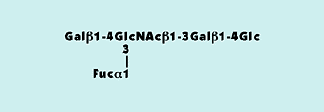
Glycoproteomics is the find out about of glycans attached to proteins and their impact on biological methods. It combines proteomics—centred on proteins—with glycomics—the read of glycans—to research the constructions and applications of glycoproteins systematically.
Understanding glycoproteomic profiles can provide insights into disease mechanisms and therapeutic pursuits. Many ailments have altered glycosylation patterns associated with them; hence, reading these modifications can bring about larger diagnostic equipment and treatment ideas.
Carbohydrate-protein interactions are critical to such a big amount of biological methods, along with telephone-cell phone realization and immune response modulation. These interactions ensue with the aid of lectin binding and receptor-ligand dynamics.
Lectins are proteins that in particular bind carbohydrates without changing them chemically. They serve as key mediators in signaling pathways by means of spotting exceptional sugar moieties on cellphone surfaces.
Leveraging carbohydrate-protein interactions can advance drug beginning techniques and raise targeting efficacy for healing brokers.
Mass spectrometry (MS) has emerged as a effectual analytical software for characterizing glycan systems attributable to its sensitivity and specificity. It lets in researchers to parent molecular weights and identify structural motifs present in glycans well.
There are a couple of tactics used for glycan profiling:
Glycan Microarrays: These permit top-throughput diagnosis of carbohydrate interactions.
Glycan Arrays: Utilize immobilized glycans to research their binding affinities with a great number of proteins.
Enzyme-Linked Immunosorbent Assay (ELISA): A broadly-used system for detecting one of a kind proteins that could demonstrate one-of-a-kind glycosylation patterns under varying prerequisites.
Glycomics focuses exclusively on the observe of glycans themselves—how they may be synthesized, changed, and how they have interaction with other biomolecules.
While either fields overlap seriously, glycoproteomics emphasizes the role that glycans play whilst hooked up to proteins other than gaining knowledge of glycans independently.
Therapeutic glycoproteins constitute some of the such a lot powerful biologics evolved in the present day. Understanding their certain glycosylation profiles enables are expecting efficacy and defense effect during medical trials.
The advancement of therapeutics focused on detailed carbohydrate antigens gives you imaginitive processes for treating sicknesses like most cancers or autoimmune disorders.
These approaches leverage designated good points inherent in carbohydrate platforms that differentiate wholesome cells from diseased ones.
Bioconjugation refers to systems used to covalently hyperlink biomolecules together whilst holding their biological activity. This system is relatively critical for attaching medications or diagnostic sellers to carbohydrates or proteins effortlessly.
Cell-floor glycoproteins play relevant roles in cellular phone signaling pathways and intercellular verbal exchange, influencing immune responses and developmental techniques.
Through exact research that specialize in these molecules’ architecture-perform relationships using processes inclusive of mass spectrometry or NMR spectroscopy, researchers can elucidate new healing pursuits or biomarkers vital for ailment progression tracking.
Beyond simply glycosylation itself lies an complex global %%!%%499014f5-1/3-4f66-b0bb-836a7d00a2e2%%!%% added PTMs that adjust protein pastime after synthesis – phosphorylation being one other excellent example alongside ubiquitination or acetylation – every one impacting mobile services otherwise based upon context!
Understanding how those ameliorations interaction with each other enables scientists increased insight into regulatory mechanisms governing protein expression phases throughout the time of loads of physiological states!
Answer: While equally parts investigate carbohydrate-related add-ons, glycomics focuses only on free glycans’ architecture/function qualities; conversely, glycoproteomics investigates how those identical carbs impression protein habits when conjugated jointly!
Answer: Mass spectrometry excels at delivering precise insights referring to molecular weight distributions inclusive of structural arrangements show amongst a considerable number of sugar moieties enabling definite id throughout distinctive samples!
Answer: Different forms give a contribution targeted characteristics affecting general functionality; for this reason decoding which of them exist helps pinpoint knowledge healing cell line objectives/biomarkers correlating carefully toward preferred results!
Answer: These molecules mediate relevant interactions between cells for that reason gambling major roles regulating immune responses & mobile verbal exchange lastly influencing physiological homeostasis!
Answer: Lectin-binding assays offer priceless tips relating to particular sugar moieties reward across varied sample populations supporting efforts aimed at determining dissimilar styles principal all the way through ailment progression monitoring!
Answer: Yes indeed! Research continues exploring prospective avenues leveraging engineered antibodies concentrating on exceptional carbohydrate buildings related straight connected toward malignant cells thereby editing efficacy versus regular remedies on my own!
From Bench to Bedside: The Role of Glycoproteomics in Next-Generation Therapeutic Development highlights how an wisdom of advanced carbohydrate-protein interactions can become healing landscapes dramatically over time even though supplying insights into novel biotherapeutic applicants capable meeting complex clinical needs efficiently! As methodologies hold evolving swiftly alongside technological improvements emerging day after day inside this area—so too does our capability harness them simply towards realizing impactful inventions benefiting patients globally!
