Glycosylation is an elementary publish-translational amendment that tremendously affects protein feature, steadiness, and interplay with different biomolecules. The tricky nature of glycosylation profiles adds complexity to the research of glycoproteomics, somewhat in the contexts of drug construction and bioconjugation. Mass spectrometry (MS) has emerged as a mighty tool for inspecting these glycosylation styles, supplying researchers with insights that had been before not possible.
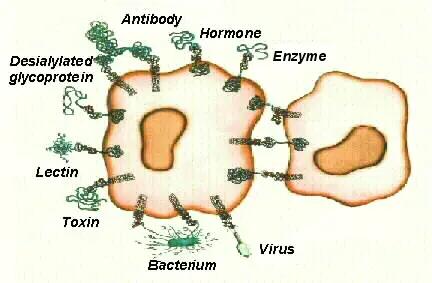
In this text, we delve into the nuances of glycosylation profiling by means of mass spectrometry, inspecting its implications for bioconjugation and drug development. We will discover a good number of components such as glycan mapping, glycoengineering, monoclonal antibodies, and healing glycoproteins. By the stop of this exploration, you may be aware of why examining glycosylation profiles with mass spectrometry is even handed a video game changer in these fields.
Glycosylation refers to the enzymatic system via which carbohydrates (glycans) are covalently connected to proteins or lipids. This amendment performs a central position in mobile capabilities which include mobile phone signaling, immune reaction, and protein folding.
The presence and shape of glycans can influence protein conformation, biological exercise, or even immunogenicity. Understanding these structures is central for coming up effective therapeutics.
Mass spectrometry makes it possible for for excessive-decision analysis of glycan constructions attached to proteins. This know-how helps researchers to be sure not simply the presence of glycans however additionally their particular arrangements—awareness serious for both understanding illness mechanisms and designing unique treatments.
Mass spectrometry operates via ionizing chemical species and sorting them stylish on their mass-to-fee ratio (m/z). In the context of glycoproteomics:

Glycoproteomics combines proteomics—discovering proteins—and glycobiology—the look at of carbohydrates—to Visit website deliver a comprehensive view of all glycopeptides found in a given pattern.
Mass spectrometry helps the design of glycoengineered biologics via allowing scientists to govern glycan systems deliberately throughout protein synthesis.
Understanding glycan systems can cause new therapeutic strategies targeting exceptional diseases by carbohydrate antigens that elicit immune responses.
Bioconjugation refers to the technique in which biomolecules are covalently associated together—ordinarilly proteins with tablets or imaging retailers—to raise therapeutic efficacy or tracking services.
Despite its reward, countless demanding situations continue to be while inspecting glycosylation profiles:
Mass spectrometry identifies each the presence and construction of glycans attached to proteins, providing insights into their functional roles.
It presents severe recordsdata about glycan platforms that impact drug efficacy, stability, and immunogenicity—indispensable factors when creating new therapeutics.
N-related glycans most commonly play roles in protein folding and steadiness even though O-connected glycans typically influence phone signaling pathways; understanding the two types enables elucidate protein function successfully.
Yes, stepped forward MS programs can distinguish among intently comparable glycan structures depending on their distinguished mass-to-rate ratios.
They let researchers to modify glycan systems intentionally on therapeutic proteins bettering their effectiveness or cutting area results.
Lectin affinity chromatography isolates selected glycoproteins based totally on sugar-binding residences earlier than they suffer mass spectrometric diagnosis for distinctive profiling.
Analyzing glycosylation profiles with mass spectrometry represents a pivotal development in bioconjugation suggestions and drug improvement processes through providing exact structural insights into elaborate carbohydrate alterations on proteins. As our information deepens by using persistent study efforts utilizing those evolved methodologies, we may perhaps unveil novel therapeutic candidates higher tailor-made for specified illness aims—eventually making improvements to affected person result thru smarter layout options grounded in strong scientific principles surrounding glycobiology.
This article bargains an intensive exam into how examining glycosylation profiles utilizing mass spectrometry has converted methods inside of bioconjugate technological know-how and pharmaceutical innovation strategies alike!
