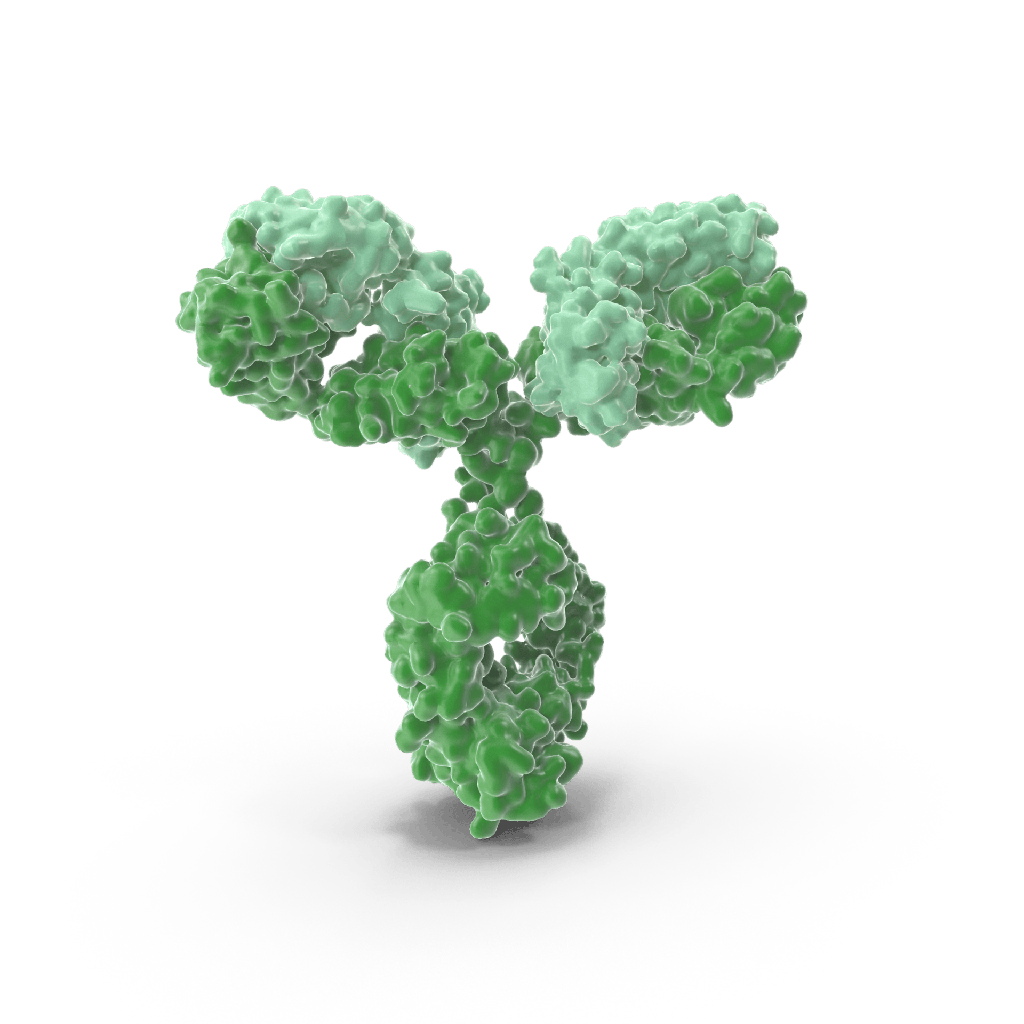
Glycan-founded therapeutics are gaining traction as a innovative attitude in brand new medication, with glycoscience rising as a pivotal box. This article delves into the many different dimensions of glycosylation, glycoproteomics, and carbohydrate-protein interactions, highlighting their magnitude in healing functions. With advancements in technology inclusive of glycan mapping and glycoengineering, we are witnessing unprecedented preferences for drug development and disease medical care strategies.
The complex international of glycans—sugars that shape platforms on proteins and lipids—plays a crucial role in organic techniques. Glycans are worried in mobile signaling, immune responses, and ailment pathogenesis. Understanding glycosylation pathways and developing glycan profiling options have opened new avenues for healing interventions.
Glycosylation refers back to the enzymatic course of where carbohydrates attach to proteins or lipids. This change is principal for proper protein folding, balance, and functionality. Key players on this strategy comprise glycosyltransferases, which catalyze the switch of sugar moieties onto acceptor molecules.
Each form has wonderful biological purposes and implications for therapeutic efficacy.
Glycoproteomics combines proteomics with glycomics to gain knowledge of glycoproteins—proteins changed by carbohydrate groups. This discipline is very important for realizing how these variations have an impact on cellular purposes and disease mechanisms.
Understanding carbohydrate-protein interactions is valuable for elucidating biological pathways and setting up therapeutics. Lectins—proteins that bind genuine carbohydrates—function supreme items for researching those interactions.
Lectins play wonderful roles in mobilephone acceptance and signaling techniques. Their talent to establish exceptional glycans makes them priceless instruments in research and abilities healing programs.
Glycomics makes a speciality of the comprehensive learn about of glycans inside biological structures. It encompasses quite a few options aimed toward characterizing elaborate carbohydrates worried in mobile communique.
Mapping glycans facilitates researchers to imagine their distribution on proteins or cells, presenting insights into their practical roles.
Glycoengineering involves editing glycan constructions to reinforce therapeutic efficacy or lower immunogenicity. This manner is quite significant for monoclonal antibodies utilized in unique cures.
Monoclonal antibodies (mAbs) are engineered proteins used appreciably in remedy, diagnostics, and research. Their effectiveness pretty much correlates with their glycosylation profiles.
Different glycoforms can effect mAb stability, efficacy, and protection profile, making it primary to optimize their glycosylation throughout manufacturing methods.
The means packages of glycan-founded therapeutics span quite a number scientific fields inclusive of oncology, infectious ailments, and autoimmune disorders.
Despite promising improvements, a few challenges remain:
Glycans are complex carbohydrates that consist of sugar molecules linked jointly; they play valuable roles in organic methods like cell phone signaling and immune reaction modulation.
Glycosylation impacts protein folding, steadiness, game tiers, and interactions with other molecules; as a result influencing total cell conduct and objective extensively.
Common thoughts consist of mass spectrometry for detailed structural diagnosis, enzyme-associated immunosorbent assays (ELISA) for quantification, and microarrays to evaluate binding affinities among carbohydrates and proteins.
Monoclonal antibodies are engineered proteins designed to objective genuine antigens; they have got confirmed effectual throughout more than a few healing places owing to their specificity and potential to provoke immune responses towards certain cells or pathogens.
Lectins are proteins that especially Additional hints bind carbohydrates; they facilitate quite a few biological processes which includes phone-mobile phone focus situations principal for immune responses or tissue construction mechanisms.
Bioconjugation includes chemically linking biomolecules like drug treatments or imaging brokers to glycans or proteins; this system enhances pharmacokinetics while recovering targeting abilties within healing contexts regarding glycoconjugates or different elaborate biologically active entities.
In precis, “Glycan-Based Therapeutics: Exploring the Potential of Glycoscience in Modern Medicine” encapsulates an entertaining frontier prosperous with chances stemming from our figuring out of glycobiology’s complexities—from vital standards governing protein modifications by means of developed engineering methodologies paving pathways closer to imaginative solutions that cater notably towards unique patient wants when addressing demanding situations linked therein successfully moving forward into next-generation treatment options reshaping healthcare landscapes globally!