Glycan Modification and Its Effect on Monoclonal Antibody Therapeutics: Enhancing Efficacy Through Glycan Engineering
Introduction
Glycosylation is a obligatory biochemical manner that contains the attachment of carbohydrates to proteins, forming glycoproteins. This amendment performs a critical function in a wide range of biological applications, adding protein balance, folding, Website link and cell interactions. In the context of monoclonal antibodies (mAbs), glycosylation noticeably impacts their therapeutic efficacy. As researchers delve deeper into glycoengineering—an imaginative procedure to enhancing glycan systems—there may be starting to be acceptance of its abilities to strengthen mAb overall performance.
In this newsletter, we’ll explore glycosylation and its effect on monoclonal antibodies with the aid of complete sections detailing diversified sides similar to glycoproteomics, carbohydrate-protein interactions, and extra. By analyzing how these changes can advance the efficacy of mAbs, we target to furnish a thorough knowing for the two researchers and practitioners worried in biotherapeutics.
Glycosylation and Its Role in Protein Functionality
What is Glycosylation?
Glycosylation refers to the enzymatic method that attaches glycans—sugar molecules—to proteins or lipids. This post-translational modification can manifest in assorted kinds, consisting of N-related and O-related glycosylation. It serves now not simply to stabilize proteins but also influences their goal, localization, and interplay with other biomolecules.
Types of Glycosylation
N-associated Glycosylation: This includes the attachment of glycans to nitrogen atoms in asparagine residues.
O-connected Glycosylation: Here, sugars are hooked up to oxygen atoms in serine or threonine residues.
C-linked Glycosylation: Rarely determined, this kind comes to sugar attachment at carbon atoms of tryptophan residues.
Importance of Glycosylation
The presence and shape of glycans can dictate alternative homes of proteins:
Stability: Proper glycan systems can beef up protein stability lower than physiological situations.
Solubility: Glycans in general raise protein solubility by using imparting hydrophilic surfaces.
Cellular Interactions: Glycans facilitate extraordinary interactions among cells and their atmosphere as a result of receptors.
Monoclonal Antibodies: Structure and Function
Definition of Monoclonal Antibodies
Monoclonal antibodies are equal copies derived from a single just like immune cells. They are designed to objective specified antigens stumbled on on pathogens or diseased cells.
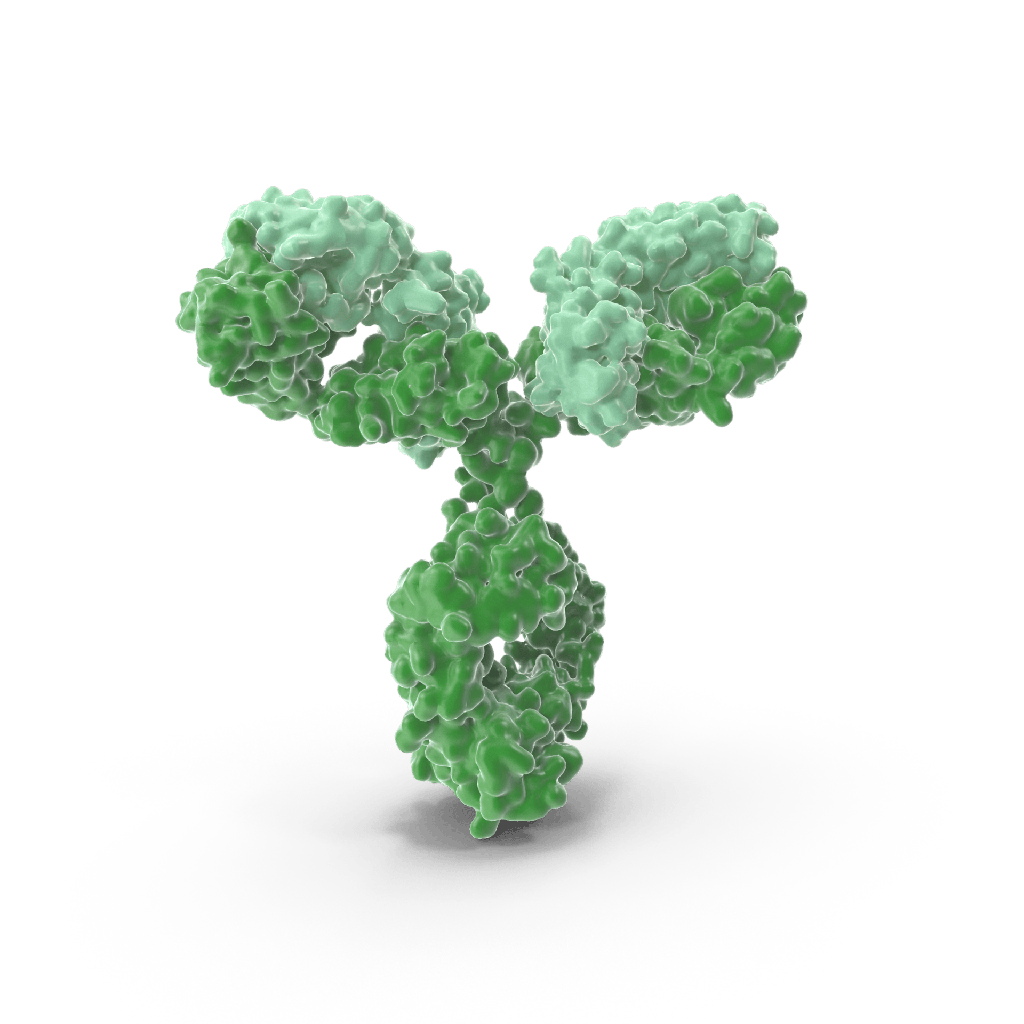
Structure of Monoclonal Antibodies
MAbs consist particularly of two major supplies:
Fab Region: The variable neighborhood that binds certainly to an antigen.
Fc Region: The steady sector chargeable for mediating effector purposes like antibody-established cellular cytotoxicity (ADCC).
Application Areas for Monoclonal Antibodies
Monoclonal antibodies play immense roles across different fields:
Therapeutic Applications: Used in treating illnesses like most cancers with the aid of concentrating on tumor-related antigens.
Diagnostic Tools: Employed in assays similar to ELISA for detecting unique antigens.
Glycosylation Profiles in Monoclonal Antibodies
Importance of Glycan Structures
The glycan profiles hooked up to mAbs can greatly effect their pharmacokinetics (PK) and pharmacodynamics (PD).
Key Factors Influenced by using Glycans:
Half-life Extension: Certain glycoforms can prolong the serum half of-lifestyles of mAbs by impeding renal clearance.
Immunogenicity Reduction: Optimized glycan systems may possibly minimize undesirable immune responses opposed to the therapeutic antibody.
Effector Functions Modulation: Different glycoforms modulate interactions with Fc receptors on immune effector cells.
Techniques for Analyzing Glycan Profiles
Analyzing glycan platforms is paramount for awareness their result on mAb performance:
Mass Spectrometry for Glycans: Provides targeted compositional prognosis.
Glycan Mapping Techniques: Enables identification and characterization of frustrating glycan platforms.
Glycoengineering Approaches for Enhanced Efficacy
What is Glycoengineering?
Glycoengineering is the exact alteration or layout of glycan structures on therapeutic proteins to optimize their properties. This cutting edge approach harnesses biochemical engineering innovations to create ‘subsequent-generation’ biologics with more desirable functionalities.
Strategies for Glycoengineering
Genetic Engineering: Modifying host telephone lines (e.g., CHO cells) to produce preferred glycoforms.
Enzymatic Modification: Utilizing glycosyltransferases or different enzymes post-manufacturing to alter existing glycans.
Examples:
Adjusting sialic acid content can end in extended anti inflammatory residences.
Altering fucosylation patterns enhances ADCC job towards aim cells.
Carbohydrate–Protein Interactions
Understanding Interactions Between Carbohydrates and Proteins
Carbohydrate-protein interactions are vital to many biological tactics such as cell phone signaling, immune response modulation, and pathogen awareness.
Mechanisms Involved:
Lectin Binding: Lectins are proteins that bind different carbohydrates; they play considered necessary roles in mobilephone-telephone recognition.
Glycoprotein Interactions: The binding affinities between lectins and glycoproteins facilitate a good number of mobile pathways.
Applications in Therapeutic Development
Role of Glycobiology-Based Vaccines
Recent advancements have showcased how engineered glycoconjugates shape the foundation for imaginative vaccine designs focused on infectious illnesses because of more advantageous immunogenicity.
Therapeutic Glycoproteins
Many healing sellers now leverage engineered glycans for greater stability and efficacy; striking examples embrace:
Hormones like erythropoietin which require exact glycan platforms for pastime.
FAQs approximately Glycosylation in Monoclonal Antibodies
ol5/ol6# How does glycoengineering recover monoclonal antibody efficacy?
By changing different carbohydrate systems by means of genetic or enzymatic techniques, researchers can escalate therapeutic results reminiscent of greater ADCC undertaking or lengthy flow time.
ol7/ol8# Can adjustments in glycan systems affect patient consequences?
Yes, optimized glycan profiles can end in enhanced scientific results by way of improving drug effectiveness at the same time as minimizing detrimental reactions because of the diminished immunogenicity.
ol9/ol10# How do carbohydrate-protein interactions give a contribution to drug improvement?
Understanding those interactions is helping determine novel goals within disease pathways although informing layout techniques that amplify specificity against favored cell pathways.
Conclusion
Understanding glycosylation gives important insights into optimizing monoclonal antibodies by way of glycoengineering. By manipulating glycan profiles, researchers can tailor mAbs for increased efficacy even though minimizing part outcomes linked to their use as therapeutics. As we hold exploring glycoproteomics and glycomics, it will become clean that learning those transformations gives you promising avenues in the direction of editing modern-day biopharmaceutical practices.
This article captures the complex information surrounding “Glycosylation and Its Impact on Monoclonal Antibodies” whereas retaining a professional tone acceptable for an educated viewers eager about advancing advantage inside this essential subject of learn.